Dubai Real Estate Market Forecast 2026: Prices, Supply Surge & Investment Opportunities
As Dubai continues to evolve into one of the world’s most dynamic property hubs, 2026 emerges as a potential inflection point for market growth and opportunity. With new supply hitting the market, favorable policies, and rising global interest, the next 18–24 months could define long-term winners. This article analyzes the upcoming trends, challenges, and smart strategies for property buyers and investors looking at Dubai in 2026.
📊 1. Where the Market Stands (2024–2025 Review)
Over the past few years, Dubai’s real estate market has experienced significant growth, driven by a combination of factors: renewed foreign investment, favorable residency and visa policies, robust infrastructure development, and strong demand for both residential and commercial properties. Key outcomes include:
- Significant price appreciation in many sub-markets, especially in high-demand areas and waterfront communities.
- Rising rental yields in mid-tier and affordable communities, fueled by demand from expats and long-term residents.
- Strong developer activity with a pipeline of off-plan and ready-to-move properties, increasing overall housing supply.
However, this growth has also led to rising supply, which in some segments has started to approach equilibrium with demand, setting the stage for a possible market adjustment in 2025–2026.
🔮 2. What’s Next: 2026 Market Forecast
2.1 Price Dynamics – Growth or Stabilization?
Given the current trajectory, there are two likely scenarios for 2026:
- Moderate Growth (3–7% per year): Continued demand, especially from foreign buyers, could support steady price increases, particularly in prime and high-end areas.
- Market Stabilization / Minor Correction (0–5% decrease): In areas with high supply, especially mid-market and off-plan segments, prices may moderate as new units come online.
Prime, well-located properties (waterfront, central Dubai, or communities with strong infrastructure) are expected to retain value and even appreciate. Meanwhile, investors in speculative zones should prepare for potential short-term price pressure.
2.2 Supply Surge & New Deliveries
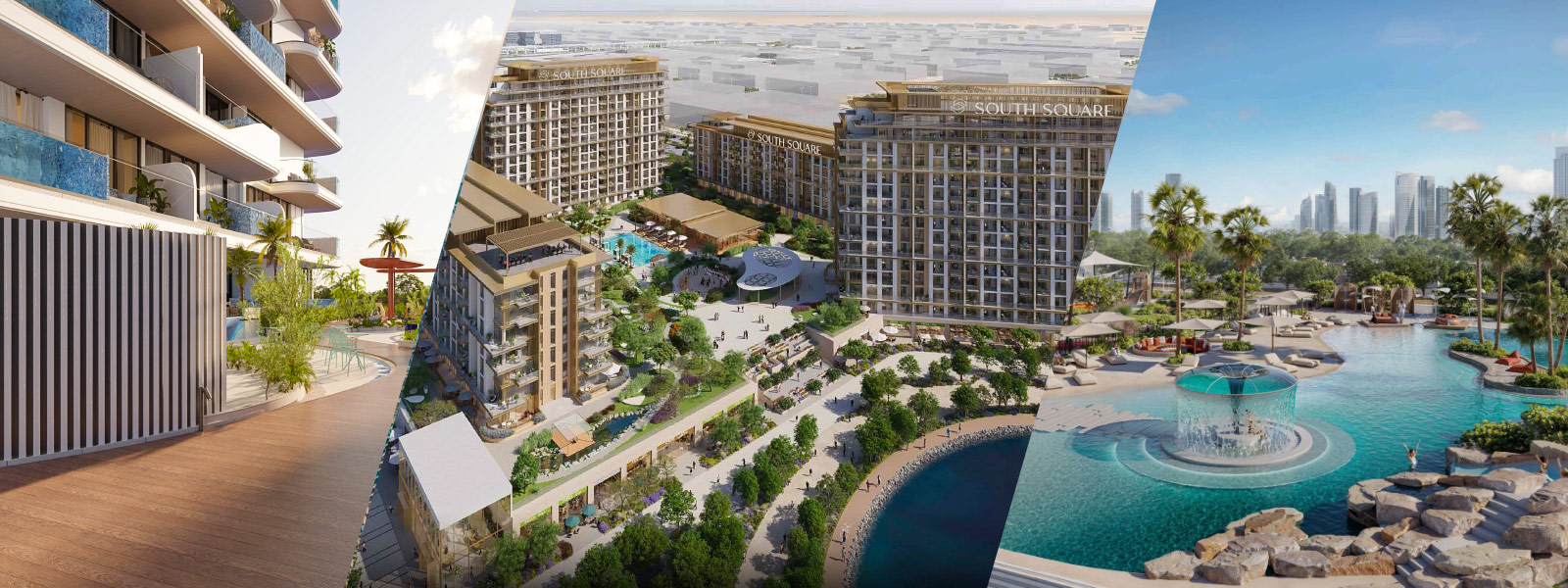
2026 is poised to see a major wave of property completions. With hundreds of new residential towers and mixed-use developments scheduled for handover, supply is set to expand significantly.
This volume of supply will impact the market in several ways:
- More choices and competitive pricing in mid-tier and affordable segments.
- Potential downward pressure on older or poorly maintained stock.
- Opportunity for first-time buyers to enter the market at attractive prices.
🏘️ 3. Best Investment Segments for 2026
3.1 Prime & Luxury Properties
Luxury waterfront apartments, branded residences, and premium villas are forecasted to remain stable or grow. Demand from high-net-worth individuals, long-term global investors, and foreign buyers will continue to drive value in these segments. Limited supply and high barrier to entry keep prices robust.
3.2 Mid-Tier & Affordable Apartments
With expected oversupply, affordable apartments will become attractive to:
- Young professionals and families seeking value-for-money homes.
- Investors targeting high rental yield rather than capital appreciation.
- Long-term holders eyeing steady cash flow and gradual appreciation.
3.3 Off-Plan Projects with Flexible Plans
Off-plan properties offering post-handover payment plans, progressive installments, or flexible financing will appeal to cash-conscious buyers and investors — provided they choose reputable developers with good delivery records.
⚠️ 4. Risks & What to Watch For
- Oversupply in certain sub-markets: Could depress prices in less desirable locations.
- Delays in project delivery: Off-plan projects may face timing risks; always check developer's track record.
- Economic headwinds or global events: May impact foreign investment and demand.
- Changing regulatory or visa policies: Could influence investor sentiment.

📌 5. Smart Investment Strategies for 2026 Buyers & Investors
- Focus on location & developer reputation: Prioritize areas with infrastructure, amenities, and strong connectivity. Work with respected developers.
- Diversify portfolio: Combine luxury properties for long-term capital gain with mid-tier/rental units for cash flow.
- Use flexible payment plans: Off-plan units with staged payments or post-handover plans reduce upfront capital risk.
- Think long-term (5–10 years): Real estate cycles in Dubai tend to reward patient investors.
- Monitor supply vs demand: Avoid overbuilt areas; choose neighborhoods with limited future supply and growing infrastructure.
🌟 6. Conclusion: 2026 - A Year of Opportunity for Smart Investors
Dubai’s real estate market in 2026 is likely to offer a balanced mix of opportunity and caution. For savvy investors and homebuyers who focus on location, quality, and long-term outlook, this could be an excellent time to buy. With supply increasing and more choices available, you can secure value, but only if you choose wisely.
Whether you are looking for a steady rental yield, long-term capital appreciation, or a primary residence, making informed decisions based on data and strategy will be key to success in Dubai’s evolving market.
Frequently Asked Questions (FAQ)
Q1: Will property prices in Dubai fall in 2026?
Possible moderate corrections (0–5%) may occur in mid-tier and over-supplied segments; however, prime properties and waterfront/luxury units are likely to hold value or appreciate.
Q2: Which areas will perform best?
Prime areas like waterfront communities, central Dubai, and well-developed neighborhoods with strong infrastructure are expected to perform best. Avoid over-saturated peripheral zones when buying.
Q3: Is off-plan still a good investment choice?
Yes, if you choose a trusted developer, understand payment schedules, and are prepared for delivery timing. Off-plan remains one of the more affordable entry points into Dubai real estate.
Q4: Should I buy for price appreciation or rental yield?
That depends on your investment goal. For long-term growth, luxury/prime properties are better; for regular income and cash flow, mid-tier apartments in high-demand rental areas are ideal.
Disclaimer: This article provides a market forecast based on current trends and publicly available information as of 2025. Market conditions may change based on economic, regulatory, and global factors.